The deck
The full investor brief — the shift, the market, the moat, and the ask. Read it right here or take it with you.
Own the rights layer of AI cinema
The rights vault for AI cinema — seal original IP, lease assets fairly, fund producers, defend every frame.
Own the rights layer of AI cinema
The rights vault for AI cinema — seal original IP, lease assets fairly, fund producers, defend every frame.
AI cinema isn't coming. It's already shipping.
Generation quality crossed the line. Capital, tools, and law are all moving — but ownership infrastructure is still missing.
Multi-minute, character-consistent AI film is no longer a demo — creators and studios are shipping with it.
Likeness rights and platform exposure are becoming federal questions — consent and provenance stop being optional.

Tools generate footage. Almost none seal ownership, consent, leases, or clear monthly creator payouts.

AE9IS runs on a flat platform band that funds tech + legal + patrol when creators earn.
Sources: industry model reporting 2025–26; Holland & Knight / U.S. Senate Judiciary, NO FAKES Act (S.4591), advanced 18 Jun 2026.
The make layer is racing into cinema
Director-grade tools and longer native models make AI film shippable. They do not make it ownable.
- Positions AI video as cinema production — not a novelty clip toy
- Multi-shot sequencing and shot-duration control (Cinema Studio 2.0)
- Film-language camera / optics controls (focal length, sensor, movement)
- Turns “prompt → clip” into “direct a sequence”
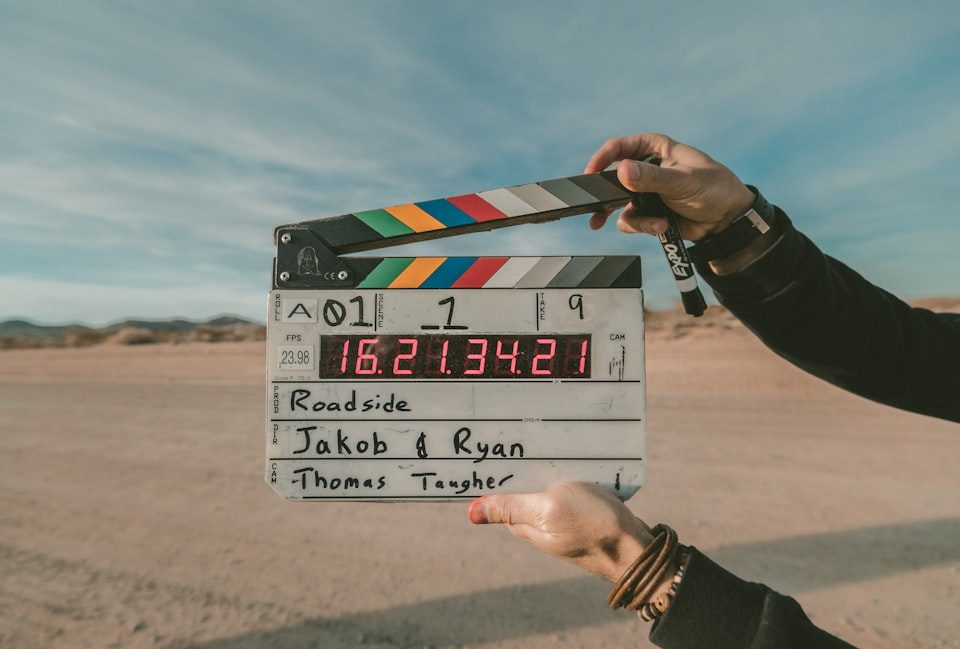
Make layer ≠ rights layer. Every Higgsfield / Seedance sequence still needs seal, consent, lease, and defense.
Sources: Higgsfield Cinema Studio / Cinema Studio 2.0 product materials (~17 Feb 2026); ByteDance Seedance 2.5 at Volcano Engine FORCE, 23 Jun 2026 (vendor-announced specs).
From freeze to adoption in 28 months
Tyler Perry's public arc mirrors the industry: shock at generation → investment in AI-enabled production. Rights still lag.
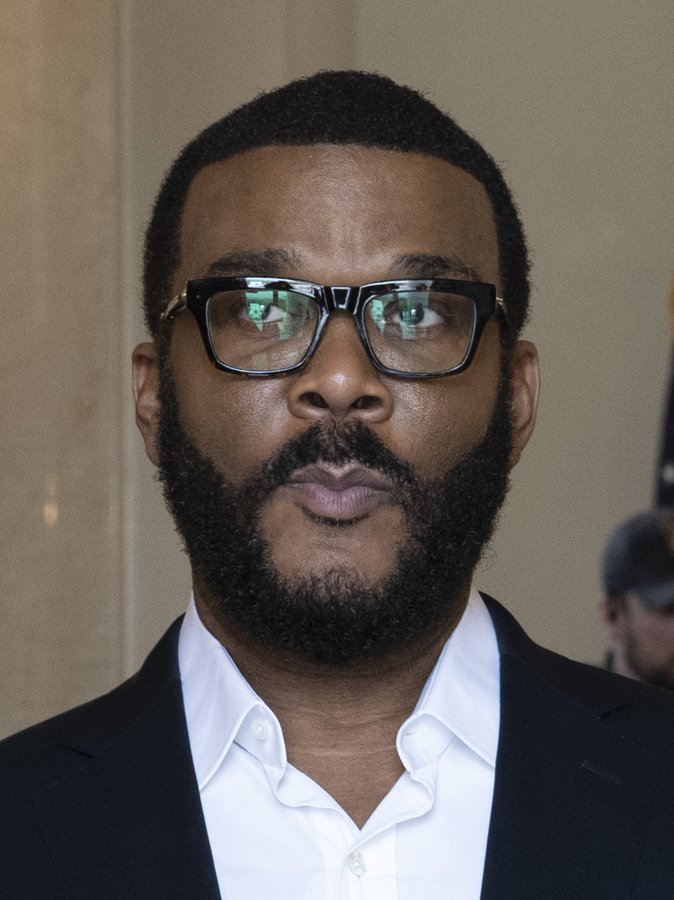
After seeing OpenAI's Sora, Tyler Perry indefinitely pauses a planned Atlanta studio expansion — generation quality freezes traditional capex thinking.
Quality, length, and control leap across the stack. What looked like a demo becomes a production input.
Tyler Perry Studios announces a multi-year AI-supported virtual production stage with Synapse on the 365-acre Atlanta campus — ops target end of 2026.
Stages and generators are modernizing. The sovereign vault for IP, likeness, and brand finance is still open territory.
Sources: THR / Variety, 22 Feb 2024 (Sora hold); Deadline / SynapseVP / local coverage, mid-Jul 2026 (Synapse partnership). Photo: Wikimedia Commons (Tyler Perry 2024).
The market is pricing ownership already
Studios buy production AI. Creator likeness trades at nine-figure headlines. The open rights marketplace is still unbuilt.
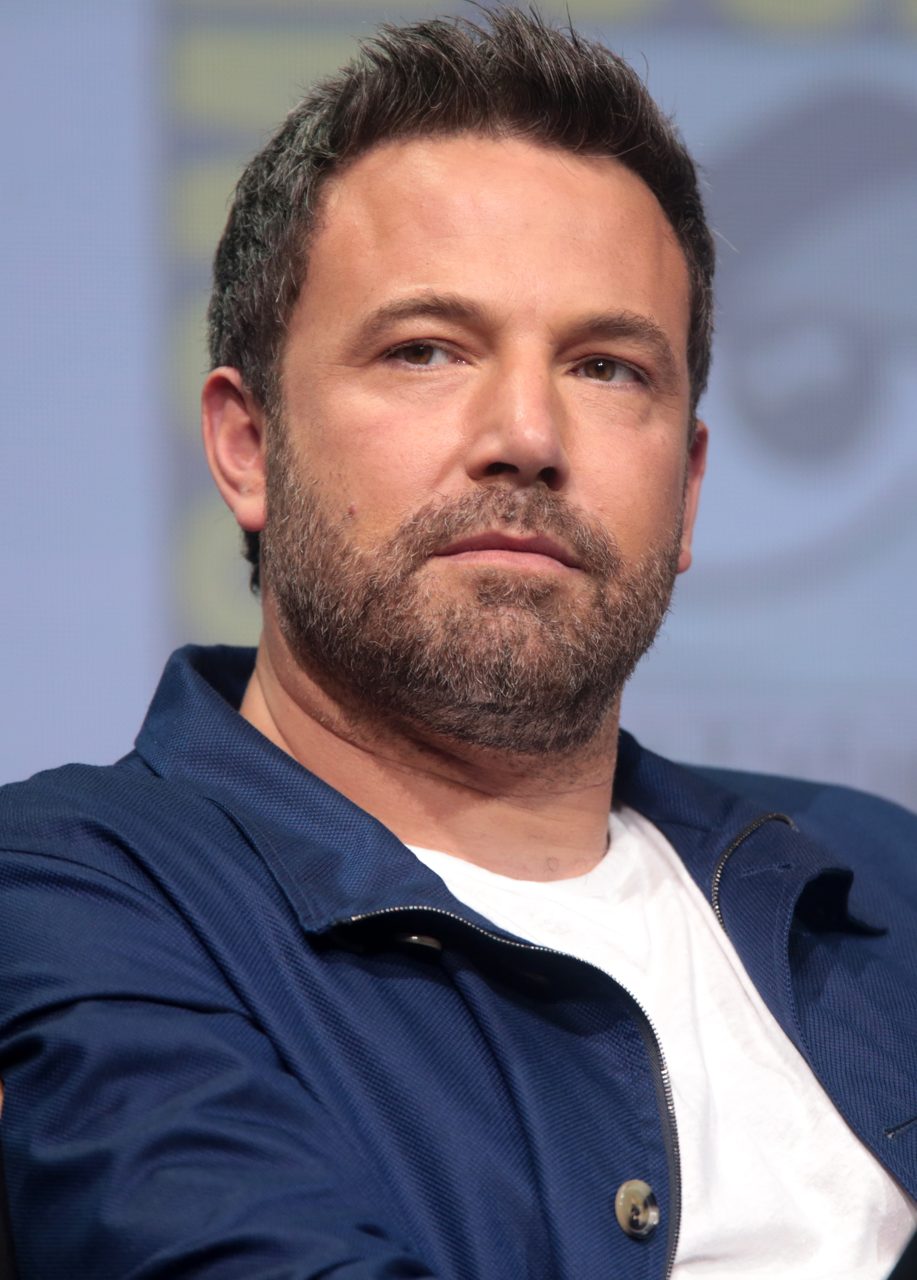
Netflix cash acquisition of filmmaker AI production tools (announced Mar 2026; price disclosed Jul 2026).
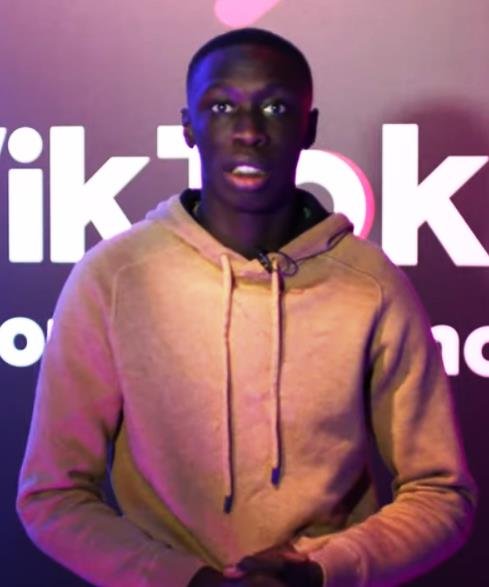
Announced all-stock deal incl. rights to build an AI digital twin of face, voice, and behavior (Jan 2026) — market signal, not a cash close.
Hollywood is funding the ability to produce and post with AI inside walled gardens.

Open vault, ranked asset leases, brand placement finance, and 24/7 defense for independent AI film.
Sources: Netflix InterPositive announce 5 Mar 2026; $587M cash SEC disclosure ~17 Jul 2026 (Variety). Khaby announced all-stock ~$975M deal ~27 Jan 2026 — market signal. Photos: Wikimedia Commons / Unsplash.
Shippable film with no guardrails
AI cinema can reach millions of eyes in a week — while IP, likeness, and brand inventory stay unprotected and underfunded.
Finished films ship without a sealed certificate of ownership, consent, or forensic fingerprint.
Faces and voices are cloned or reused without consent — while deals like Khaby Lame's prove likeness is a real asset class.
Creators can go viral without a clean path for brand placements or asset leases that finance the next title.

Traditional ads like Super Bowl spots die after the window. In-film inventory should live with the master.
Sources: company analysis; NO FAKES Act platform-liability provisions, 2026.
AE9IS: the Aegis for AI cinema
AE9IS seals original IP, vaults leasable assets, funds producers through tickets and placements, and defends work across the open web.
Seal masters, consent, and ownership into a tamper-evident certificate; fingerprint every frame.
Store leasable assets — likeness, voice, score, script, props — ranked by recognizability for fair pricing.
Cheap tickets ($1–3), brand placements, and asset leases credit producer balances live and pay out once a month.
Patrol major platforms and indexes 24/7; fire one-click legal takedowns on stolen work.
Assets ranked. Leases fair.
Secondary residuals are capped so producers keep the majority. High-ID talent licenses out at market — not pay-to-play.
Widely known talent & brands license out. Fans / emerging artists may pay for cameo or exposure. Producer chooses residual policy on fan placements.
Illustrative indie-AI fee bands · residual % of ticket gross · secondary pool hard-capped at 10% total.
Super Bowl CPM vs 1M views / week
Illustrative unit economics · Jul 2026. Media efficiency + permanence inside protected AI titles — not “the same as Super Bowl branding.”

$8M ÷ 125.6M views · 30 seconds · one live window
Super Bowl buys simultaneous cultural attention. Placement notice rates differ. Evergreen inventory in the master is the product. $4K placement → $600 platform (15%) + $3,400 to producer before tickets.
Sources: Super Bowl LX Nielsen final ~125.6M avg viewers (8 Feb 2026); ad cost band ~$8–10M / 30s (use $8M midpoint). Creator 1M/week = illustrative baseline. CPM = cost ÷ (views/1000).
Aligned take — 15% standard · 20% ceiling
Platform earns when the network earns: $1–3 tickets, placement fees, asset leases, and optional creator prompt packs. Secondary vault claims cannot drain the producer.
Ownership certificates, consent ledger, frame fingerprints.
Hosting, streaming, KYC, $1–3 tickets, live balances, monthly payout.
NO FAKES-ready records + 24/7 web defense.
Ranked leases, brand placements, optional prompt packs.
Unit economics: take rate × GMV · default 15% · hard ceiling 20% · secondary residual pool ≤10% of ticket gross · example ticket $1.99.
One chain of custody
On ingest, bind the film to the owner and consent records. Certificate is legal proof of ownership — production methods stay private by default.
Likeness, voice, props, script, score enter the Vault at R1–R5 recognizability for fair lease/placement pricing.
Brands fund scenes. Fans buy $1–3 tickets. Splits credit live balances and pay out monthly. Optional prompt packs on channel. Residuals stay inside the 10% secondary cap.
Crawl major platforms and torrent indexes 24/7. One-click official takedowns on unlicensed copies.
Built for AI rights — not retrofitted
Moat: the registry becomes the system of record for AI-film ownership — network effects, switching costs, and compliance lock-in as titles, consent, and brand placements accumulate.
Land producers. Expand the vault.
Cinema distribution is the surface. The Vault is the product. Brands and talent deepen the moat.
Independent AI filmmakers. Seal, premiere, earn — platform takes 15% only when value is created.
Brand placements + asset leases as producer financing — the alternative to one-shot Super Bowl spend.
Talent escrow for actors & studios, multi-party splits, and a compliance layer Netflix-scale buyers can trust.
Own the rights layer of the AI cinema era.
From Tyler Perry to Netflix to Khaby Lame, capital is already pricing AI production and likeness. The scarce layer is trust — who owns the frame, who licensed the face, who funded the scene, and who gets paid when a million people watch in a week. AE9IS is building that infrastructure. The window to own it is now.
14 slides · use ← → or the dots · press F for fullscreen · last slide opens the site
14 slides · scroll to read · last section opens the site · download for the full file